CAPOEIRA DE ANGOLA
CAPOEIRA DE ANGOLA
IMMERSE YOURSELF IN THE TRADITION, MUSIC, AND MOVEMENT OF CAPOEIRA DE ANGOLA

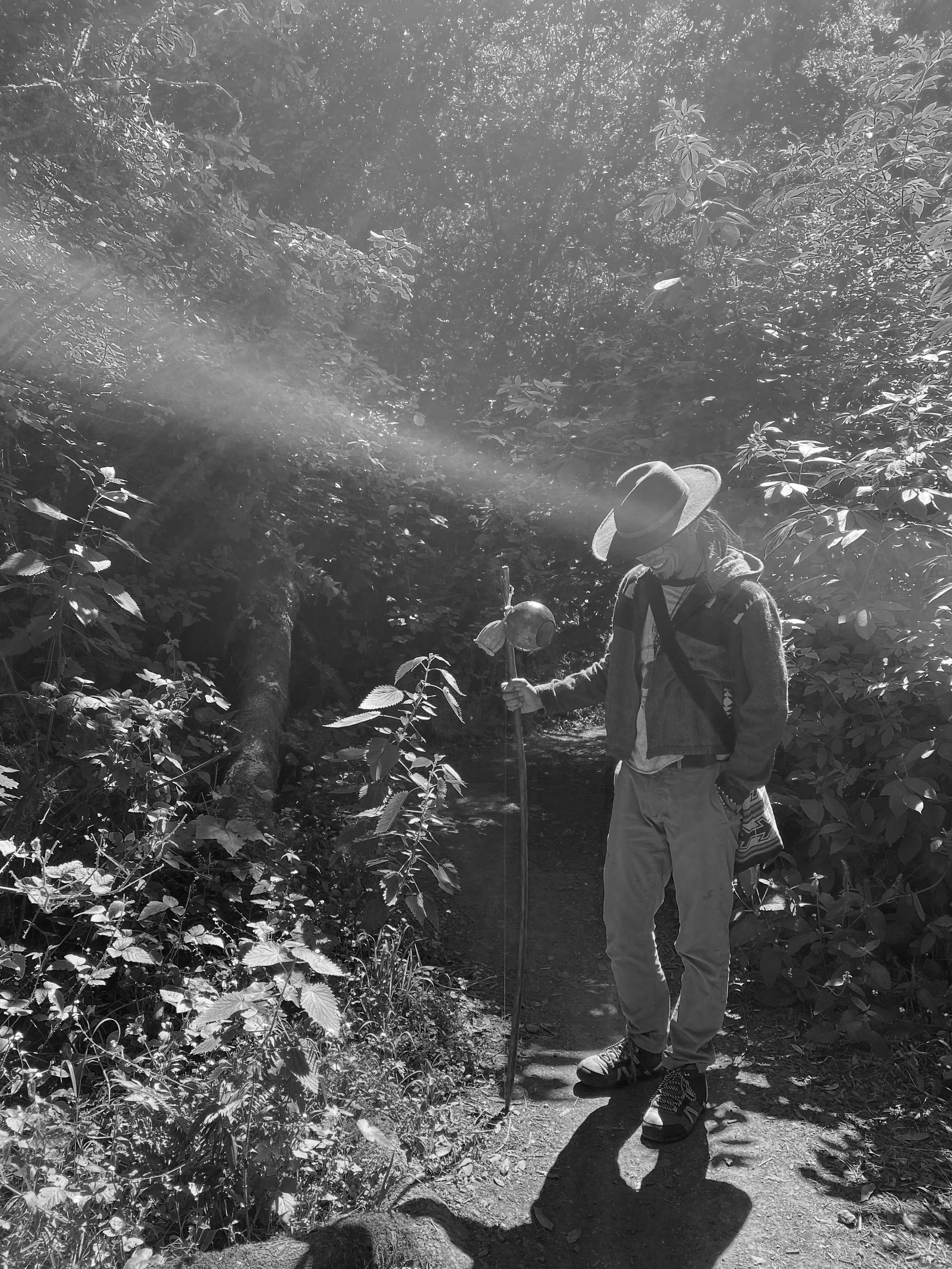


MEET OUR
MESTRE

Kapoeira N’gola Preto Velho shares Capoeira Angola in both Southern and Northern California under the guidance and direction of Mestre Thema Mashama, the first American Capoerista to become a master in both regional and Angola styles, and the first to open a Capoeira de Angola school in the United States.
WHAT IS CAPOEIRA DE ANGOLA?
Capoeira de Angola is a holistic ritual practice derived from the Bantu culture of Central Africa.
Read on to explore a few of the elements which make this art form unique.
-
Capoeira de Angola is characterized by the use of traditional music, instruments, and rituals passed down through generations of practitioners. The instruments include the berimbau, pandeiro, atabaque, reco-reco, and agogô, which are played during capoeira performances to create a particular rhythm and atmosphere for players to “dance” to.
-
Capoeira de Angola has a rich history which pre-dates the transatlantic slave trade. It is rooted in traditions held by the Bantu people of Central and Southern Africa and was brought to Brazil in the 16th century, where it was used by enslaved Africans as a tool to resist oppression, preserve their cultural heritage, and achieve spiritual liberation and empowerment. Today, it is recognized as an important element of modern Brazilian culture and is practiced around the world.
-
Unlike other forms of capoeira which favor acrobatic movement and speed, Capoeira de Angola emphasizes slow, fluid, and grounded movements. This allows practitioners to focus on technique, timing, and strategy, improving energetic endurance and efficiency, and creating a more complex and intriguing exchange within game play.
-
Capoeira de Angola is a “non-competitive” martial art which emphasizes the importance of cooperation and community. Instead of simply trying to defeat their opponent, practitioners aim to create a nuanced dialogue through movement and music, expressing their individuality, creativity, and skill.
-
Capoeira de Angola has deep philosophical and spiritual components which encourage respect, humility, and self-awareness. It is considered a holistic practice which may serve to enhance physical, mental, and emotional wellbeing.
TRAIN ANGOLA WITH US
-
SAN BERNARDINO
mon + wed // 7:00 - 9:00pm
sat // 11:00am - 1:00pmGarcia Center for the Arts
536 W. 11th Street
San Bernardino, Ca 92410